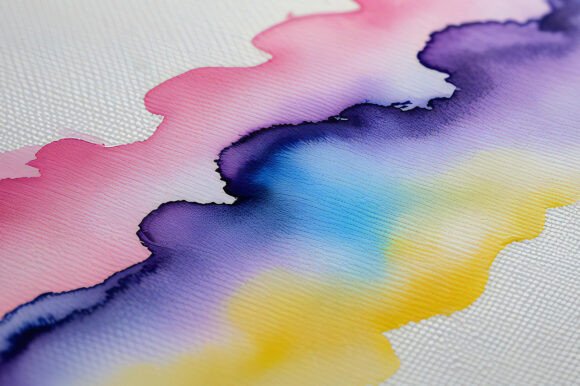
A Close Up of Watercolor: Elevating Creative Projects with Strategic Visuals
In the world of design, visuals play a crucial role in communication, branding, and storytelling. A Close Up of Watercolor is more than just an aesthetic choice—it's a strategic tool that can enhance the impact of your creative projects. Whether you're a graphic designer, small business owner, or digital artist, understanding how to leverage this high-quality background image can make a significant difference in your work.
This downloadable JPG file, with its 4736 x 2688 pixel resolution, offers exceptional clarity and versatility. It's print-ready and web-ready, making it ideal for a wide range of applications. From social media graphics to product mockups, A Close Up of Watercolor provides a professional touch that can elevate your designs and support your creative goals.
Why A Close Up of Watercolor Matters in Design
Watercolor textures bring a unique blend of softness and depth that can complement various design styles. When used thoughtfully, they add visual interest without overwhelming the composition. For professionals in fields like marketing, branding, or content creation, A Close Up of Watercolor offers a way to differentiate their work while maintaining a cohesive aesthetic.
Strategically incorporating watercolor elements into your projects can help communicate a sense of creativity, authenticity, and artistry. This is especially valuable for small businesses looking to establish a strong brand identity. A well-chosen background can set the tone for everything from website headers to promotional materials, ensuring consistency across all platforms.
When to Use A Close Up of Watercolor
A Close Up of Watercolor is most effective when it aligns with your project's purpose and audience. For instance, if you're designing a website for a boutique or a creative studio, a watercolor background can reinforce the brand's artistic identity. Similarly, in social media content, it can create a visually appealing backdrop that captures attention and conveys a specific mood.
Consider the context of your work before using A Close Up of Watercolor. If your design requires a clean, minimal look, a watercolor background may not be the best choice. However, if your goal is to evoke emotion or highlight a creative theme, this image can serve as a powerful foundation.
How to Approach A Close Up of Watercolor Strategically
Before integrating A Close Up of Watercolor into your design, take time to plan. Ask yourself: What message do I want to convey? How will this image support my overall design strategy? Answering these questions ensures that the background enhances rather than distracts from your work.
One practical approach is to use A Close Up of Watercolor as a subtle layer behind text or other design elements. This allows the texture to add depth without competing with the main content. Additionally, consider adjusting the opacity or blending mode to achieve the desired effect. Experimentation can help you find the right balance between style and functionality.
For digital artists and illustrators, A Close Up of Watercolor can serve as a reference or inspiration for creating original artwork. By studying the colors and brushstrokes, you can develop a better understanding of how to replicate or adapt the style in your own work.
Planning Tips for Using A Close Up of Watercolor
To get the most out of A Close Up of Watercolor, start by defining your goals. Are you looking to improve the visual appeal of your designs? Enhance your brand's identity? Or create a more engaging user experience? Once you have a clear objective, you can tailor your use of the image accordingly.
Another key consideration is compatibility. Since A Close Up of Watercolor is compatible with major design software like Photoshop, Illustrator, Canva, and Procreate, it's important to ensure that your workflow supports these tools. Familiarize yourself with the features and settings that will allow you to edit and apply the image effectively.
Additionally, think about the long-term value of A Close Up of Watercolor. Will it be useful for future projects? Can it be repurposed across different formats and platforms? By planning ahead, you can maximize the return on your investment and avoid unnecessary repetition or wasted effort.
Strategic Observations and Decision-Making Guidance
When using A Close Up of Watercolor, it's essential to make informed decisions based on your specific needs. Avoid relying on it solely for aesthetic reasons without considering its relevance to your broader goals. A well-chosen background should support the message and purpose of your design, not just add visual flair.
For example, if you're creating a presentation for a client, a watercolor background might be appropriate if the theme is creative or artistic. However, if the presentation is for a corporate audience, a more neutral background may be more effective. Understanding your audience and their expectations is key to making the right choice.
Another observation is that A Close Up of Watercolor works best when paired with complementary elements. Consider the color scheme, typography, and layout of your design to ensure harmony. A mismatched combination can dilute the impact of the background and confuse the viewer.
Possible Risks of Using A Close Up of Watercolor Without Context
While A Close Up of Watercolor is a versatile asset, using it without clear goals or context can lead to ineffective results. For instance, applying it randomly to multiple projects without considering the purpose or audience may result in a lack of cohesion or confusion in messaging.
Additionally, overuse of watercolor backgrounds can diminish their impact. If every design element includes a similar texture, it may become less distinctive and fail to stand out. It's important to use A Close Up of Watercolor intentionally, reserving it for situations where it adds real value.
Another risk is poor technical execution. If the image is not properly adjusted or integrated into the design, it may appear unprofessional or low quality. Always ensure that the background is optimized for its intended use, whether it's for print, web, or digital platforms.
Intentional Use of A Close Up of Watercolor for Long-Term Results
To achieve lasting success with A Close Up of Watercolor, focus on intentional use rather than random application. Start by identifying the specific areas where it can make a difference. For example, if you're working on a series of social media posts, use the background consistently to build a recognizable visual identity.
Consider how A Close Up of Watercolor can support your long-term goals. If you're aiming to grow your brand or expand your creative portfolio, leveraging this image strategically can help you stand out in a competitive market. By aligning its use with your vision, you can create a stronger, more cohesive body of work.
Finally, stay open to feedback and refinement. As your skills and needs evolve, you may discover new ways to use A Close Up of Watercolor that were previously unconsidered. Continuously evaluating and adapting your approach ensures that you're making the most of this valuable resource.
Conclusion: A Close Up of Watercolor as a Strategic Asset
A Close Up of Watercolor is more than just a background image—it's a strategic asset that can enhance your creative projects and support your professional goals. By using it thoughtfully and intentionally, you can create designs that are both visually appealing and functionally effective.
Whether you're a designer, marketer, or small business owner, understanding how to leverage A Close Up of Watercolor can give you a competitive edge. With careful planning, practical application, and a focus on long-term value, this high-quality image can become an essential part of your creative toolkit.